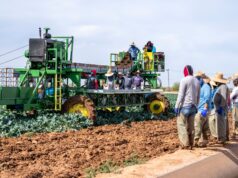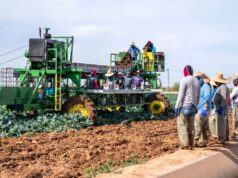

If you are searching for a farm worker visa 2027, you are not alone. Thousands of workers from every part of the world apply each year to fill agricultural labour shortages in countries like Canada, Australia, Germany, and the United Kingdom. This guide gives you wages, fees, processing times, and clear steps to follow, no matter where you are starting from.
Why Countries Are Hiring Foreign Farm Workers in 2027
Aging rural populations and expanding food production needs have pushed governments to open more visa pathways for agricultural workers. Employer sponsored visa programmes in farming sectors now cover roles from fruit picking to livestock management. If you hold the right documents and meet the health requirements, you can access legal work abroad with a structured application process.
Country-by-Country Breakdown: Wages, Fees, and Timelines
Canada
Canada’s Seasonal Agricultural Worker Program (SAWP) and the Temporary Foreign Worker Program cover most farm roles. The federal minimum agricultural wage in 2027 sits at CAD 16.65 per hour, though provinces like British Columbia pay up to CAD 19.00 per hour. You can also explore the Provincial Nominee Program if you want a path toward permanent residency application after several seasons of work. The Express Entry Canada system does not directly cover low-wage farm roles, but it can apply if you gain Canadian experience and upgrade your skills.
- Application fee: CAD 155 per work permit
- Processing time: 4 to 8 weeks for employer-supported applications
- Contract length: 8 months per season
- Your employer files the Labour Market Impact Assessment (LMIA) before you apply
Australia
The Pacific Australia Labour Mobility (PALM) scheme and the Working Holiday Visa (subclass 417 and 462) are the two main routes. Farm workers in horticulture earn between AUD 24.10 and AUD 28.50 per hour in 2027, based on the Modern Award minimum. Completing 88 days of regional farm work can extend your Working Holiday Visa by a full year.
- Working Holiday Visa fee: AUD 635
- Processing time: 1 to 4 weeks online
- Age limit: 18 to 35 for most eligible nationalities
- PALM scheme applications go through your home country government
Germany
Germany’s seasonal work visa allows up to 90 days of agricultural labour per calendar year. Wages follow the national minimum, set at EUR 13.00 per hour in 2027. For longer contracts, the skilled worker visa pathway is available if you hold a relevant vocational qualification. A work permit application must be submitted at the German embassy in your country.
- Visa fee: EUR 75
- Processing time: 2 to 6 weeks
- You need a signed job offer before applying
United Kingdom
The UK Seasonal Worker visa lets you work on farms for up to 6 months. The agricultural minimum wage in 2027 is GBP 11.44 per hour. Jobs with relocation package options exist through approved scheme operators, who may cover flight and housing costs. You apply through a licensed operator, not directly to the employer.
- Visa fee: GBP 298
- Processing time: 3 weeks on average
- Approved operators list: available on the UK government website
Tips to Strengthen Your Application
Strong applications share a few common features. Use these steps to improve yours.
- Secure a written job offer or operator placement before applying for your visa
- Gather proof of previous farm or outdoor work experience
- Get a medical check done early, many programmes require it
- Use salary negotiation tips during pre-departure orientation to confirm your hourly rate in writing
- If your case is complex, consult a licensed immigration lawyer or immigration attorney for advice specific to your nationality
According to the International Labour Organization, agricultural migrant workers represent over 25% of the global agricultural workforce, and demand is rising through 2027 and beyond.
What to Know About Longer-Term Pathways
Farm work visas are temporary, but some countries offer routes to stay longer. In Canada, completing two or more SAWP seasons can support a green card application equivalent through the Atlantic Immigration Program. Australia’s PALM scheme is linked to development agreements but does not lead directly to permanent residency. Germany allows seasonal workers to apply for a longer skilled worker visa if they complete a recognised vocational training programme. Some investors exploring citizenship by investment or an investor visa route in these countries also benefit from agricultural investment categories, though these are separate from the labour programmes above. You can check current programme rules through the International Organization for Migration.
Can I apply for a farm worker visa without a job offer?
In most cases, no. Countries like Canada, the UK, and Germany require a confirmed job offer or an approved operator placement before you submit your visa application. Australia’s Working Holiday Visa is an exception as you can enter and find farm work after arrival.
Do farm worker visas lead to permanent residency?
Not directly in most countries, but they can support a permanent residency application over time. In Canada, for example, work experience gained through the Temporary Foreign Worker Program can count toward the Canadian Experience Class under Express Entry if you meet the points threshold.
What is an employer sponsored visa for farm work?
An employer sponsored visa means the hiring company or farm operator supports your application, often by obtaining a labour market test approval first. This is required in Canada (LMIA), Australia (for some PALM placements), and Germany (job offer letter). Your employer’s sponsorship does not cover your visa fee, which you pay yourself.
Visit the official government or programme website to apply, and consult a licensed immigration adviser if you need personalised help.
Disclaimer: Visa rules, fees, and scholarship deadlines change frequently. Always verify current requirements on official government or institution websites before applying.