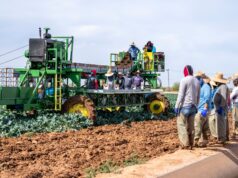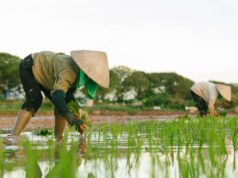

If you are searching for a farm workers visa salary comparison to decide where your labour earns the most, this guide gives you the numbers you need for 2027. Agricultural work remains one of the fastest routes to visa sponsorship jobs abroad, and several countries now offer structured pathways that can lead to permanent residency through work. Below you will find country-by-country salary data, visa fees, and processing times so you can calculate your real return on investment before you apply.
Why Farm Work Visa Programmes Are Worth Considering in 2027
Labour shortages in agriculture have pushed governments to expand their foreign worker programmes. Many employers now offer a jobs with relocation package deal that covers your flight, housing, and meals. This reduces your upfront cost and increases the amount of your salary you can actually save. Some programmes also connect seasonal roles to longer-term employer sponsored visa options, giving you a clear path forward.
Country-by-Country Salary and Visa Comparison
Canada
Canada runs the Seasonal Agricultural Worker Program (SAWP) and the Temporary Foreign Worker Program (TFWP). In 2027, the average farm worker hourly wage sits between CAD 17.40 and CAD 22.00, depending on the province. British Columbia and Ontario pay the highest rates. Visa processing through jobs in Canada for foreigners typically takes 8 to 12 weeks. The employer pays the work permit fee of CAD 155, so your out-of-pocket cost is low. Some employers in British Columbia now offer points toward Canadian permanent residence after 24 months of work, making this one of the top routes to a green card sponsorship employer-style outcome in North America.
Germany
Germany expanded its agricultural guest worker programme after 2023 reforms. In 2027, farm workers earn between EUR 13.00 and EUR 16.50 per hour under the national minimum wage rules. The jobs in Germany with visa route requires an employer offer letter, a recognised skills assessment, and a visa fee of EUR 75. Processing takes 6 to 10 weeks through a German embassy. Workers who stay for 33 months and complete a recognised vocational course can apply for the skilled worker visa application pathway, which leads to settlement rights.
Australia
Australia’s Pacific Australia Labour Mobility (PALM) scheme and the Working Holiday visa (subclass 417) are both active in 2027. Farm wages average AUD 24.00 to AUD 28.00 per hour for pickers and packers in Queensland and Victoria. The Working Holiday visa fee is AUD 650. If you complete 88 days of specified regional work, you qualify for a second or third year visa. After three years of regional work, you can access pathways to the Regional Sponsored Migration Scheme, a route toward permanent residence.
New Zealand
New Zealand’s Recognised Seasonal Employer (RSE) scheme pays NZD 23.15 per hour as of 2027, which is the statutory minimum for agricultural work. Employers cover return airfares and accommodation. The visa fee is NZD 400 and processing takes 4 to 8 weeks. New Zealand does not offer direct permanent residence through the RSE scheme, but workers can transition to other work visas after returning for multiple seasons.
How to Calculate Your Real Return on Investment
Your ROI depends on four factors: gross salary, cost of living, money you can send home, and the value of any residency or citizenship benefit. Use these steps to compare destinations:
- Find the gross monthly salary for the role advertised.
- Subtract housing costs. In Germany and Canada, employer-provided housing saves you EUR 600 to CAD 1,200 per month.
- Check whether the country offers a path to permanent residence. This adds long-term value beyond the salary figure.
- Factor in the visa fee and any immigration adviser costs. Hiring a licensed immigration lawyer or immigration attorney for complex cases typically costs USD 500 to USD 2,000.
- Research the exchange rate between your destination country’s currency and your home currency.
Canada and Australia offer the highest combination of wage rates and residency pathways in 2027, making them the strongest ROI destinations for agricultural workers who plan to stay long-term.
Salary Negotiation Tips for Farm Work Roles
Farm work wages are often set by law, but you can still improve your total package. Here are practical salary negotiation tips that work for agricultural roles:
- Ask for overtime guarantees in writing before you sign your contract.
- Request that your employer covers your travel costs as part of your offer. Many employers who post high paying jobs abroad will agree if you ask directly.
- If you have a certification such as a forklift licence or pesticide handling certificate, use it to request a higher wage band.
- Compare offers from at least two employers before accepting. Use official job boards such as Canada’s Foreign Worker Program portal to find multiple listings.
Pathways Beyond Seasonal Work
Some workers use farm roles as an entry point and then transition to other visa categories. In countries that offer a citizenship by investment programme or an investor visa, savings from agricultural work can eventually fund a qualifying investment, though this takes time and planning. For most workers, the more direct route is accumulating work years toward permanent residence. Speak with a licensed immigration attorney about your specific country of origin, as bilateral agreements can speed up your application. You can also review the International Organization for Migration’s labour migration resources for country-specific guidance.
Can a farm worker visa lead to permanent residency?
Yes, in several countries. Canada and Australia both have structured pathways where agricultural work experience counts toward permanent residence applications. Germany allows farm workers to transition to the skilled worker visa after meeting language and training requirements. The timeline varies by country but typically ranges from 24 to 48 months of qualifying work.
Does my employer pay the visa fee or do I pay it?
It depends on the programme and the country. In Canada’s SAWP programme, the employer covers the work permit fee. In Australia, the Working Holiday visa fee of AUD 650 is paid by the applicant. In Germany, the EUR 75 visa fee is usually paid by the applicant, but some employers reimburse it. Always confirm this in writing before you accept a job offer.
Do I need an immigration lawyer to apply for a farm worker visa?
For most straightforward seasonal programmes, you do not need a lawyer. The employer or a registered recruitment agency will guide you through the process. If your application involves a criminal record, a previous visa refusal, or a complex family situation, consulting a licensed immigration lawyer or immigration attorney is worth the cost. Fees typically range from USD 500 to USD 2,000 depending on the complexity of your case.
Visit the official government or programme website to apply, and consult a licensed immigration adviser if you need personalised help.
Disclaimer: Visa rules, fees, and scholarship deadlines change frequently. Always verify current requirements on official government or institution websites before applying.