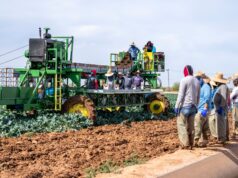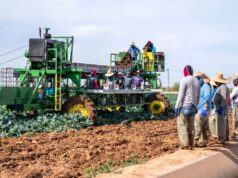

If you are searching for a farm workers visa 2027, you are not alone. Thousands of agricultural workers apply each year to work abroad in countries that offer higher wages, legal protections, and a clear path to longer-term stay. This guide ranks the best-paying destinations, outlines visa fees and processing times, and gives you practical steps to apply from any country.
Why Agricultural Visas Are Growing in 2027
Global food demand continues to rise, and many high-income countries face domestic labour shortages in farming and harvesting. Governments have responded by expanding seasonal and temporary work permit application programmes specifically for agricultural workers. This creates real opportunities for you to earn above your home country’s wages while gaining international experience.
Some pathways even connect to permanent residency application routes. Canada’s express entry Canada system, for example, awards points for Canadian work experience, including farm work completed under a valid permit.
Top Paying Countries for Farm Workers in 2027
1. Canada
Canada’s Seasonal Agricultural Worker Program (SAWP) remains one of the most structured options available. Under the employer sponsored visa model, a Canadian farm employer recruits you directly, and the government approves the permit. Average wages sit between CAD 17 and CAD 22 per hour in 2027, depending on the province. The provincial nominee program in provinces like British Columbia and Ontario also offers a route from temporary farm work to permanent residency after 12 months of eligible employment.
- Visa fee: approximately CAD 155 (around USD 115)
- Processing time: 4 to 8 weeks
- Contract length: up to 8 months per season
2. Australia
Australia’s Agricultural Visa and Working Holiday Visa (subclass 417 and 462) allow you to do farm work legally. Wages are set by the Fair Work Act at a minimum of AUD 24.10 per hour in 2027. Employers offering jobs with relocation package benefits, including flights and accommodation, are common in Queensland and Western Australia.
- Visa fee: AUD 650 (around USD 430)
- Processing time: 2 to 6 weeks
- Maximum stay: 3 years with farm work conditions
3. Germany
Germany expanded its seasonal worker programme in 2026 and 2027 to meet vegetable and fruit harvest demand. You can earn between EUR 12.82 and EUR 15 per hour under the national minimum wage framework. Contracts run up to 8 months. The skilled worker visa route is separate, but completing seasonal work can support a future green card application equivalent under German EU Blue Card rules if you upgrade your qualifications.
- Visa fee: EUR 75 (around USD 81)
- Processing time: 3 to 5 weeks
- Housing: often deducted from wages at regulated rates
4. New Zealand
New Zealand’s Recognised Seasonal Employer (RSE) scheme pays NZD 23.15 per hour minimum in 2027. Workers from Pacific Island nations receive priority, but other nationalities can apply through visa sponsorship jobs listed by approved employers. You can review the official RSE employer list at the New Zealand Immigration website.
- Visa fee: NZD 210 (around USD 128)
- Processing time: 3 to 4 weeks
- Contract length: 7 to 9 months
Salary Negotiation Tips for Farm Workers
You can improve your earnings before you sign a contract. Research the going rate for the specific crop or region. Ask whether your employer covers travel, tools, or accommodation. Check whether overtime rates apply after 40 hours per week. Use these salary negotiation tips to confirm all terms are written into your contract before you travel.
How to Apply Step by Step
- Choose a destination country based on wage rates and your nationality’s eligibility.
- Find a registered employer or use a government-approved recruitment agency.
- Gather documents: passport, medical certificate, proof of farm experience, and criminal record check.
- Submit your work permit application through the official government immigration portal.
- Pay the visa fee and attend a biometrics or interview appointment if required.
- Receive your permit and book travel only after written employer confirmation.
If your situation is complex, such as a previous visa refusal or an interest in combining farm work with an investor visa or citizenship by investment programme, speak to a licensed immigration lawyer or immigration attorney before applying. You can find accredited advisers through the Immigration Consultants of Canada Regulatory Council (ICCRC) or the equivalent body in your target country.
Frequently Asked Questions
Can I bring my family on a farm workers visa in 2027?
This depends on the country. Canada’s SAWP does not include family reunification rights during the seasonal contract. Australia’s subclass 417 visa is individual only. Germany allows some family members to apply separately under a dependent visa, but the employer must demonstrate you earn enough to support them. Check the specific programme rules before making plans.
Does farm work count toward a permanent residency application?
In Canada, farm work completed under a valid permit can contribute points toward permanent residency through express entry or a provincial nominee program, provided the job falls under an eligible National Occupational Classification code. Australia and New Zealand have separate pathways that may count qualifying work experience, but conditions vary by visa subclass and region.
Do I need an immigration lawyer to apply for a farm workers visa?
You do not always need one. Many seasonal farm visa applications are straightforward if your employer is registered and your documents are complete. However, if you have had a past refusal, overstayed a visa, or want to combine your farm work with a longer-term strategy such as a permanent residency application, consulting a licensed immigration attorney can help you avoid costly mistakes.
Visit the official government or programme website to apply, and consult a licensed immigration adviser if you need personalised help.
Disclaimer: Visa rules, fees, and scholarship deadlines change frequently. Always verify current requirements on official government or institution websites before applying.