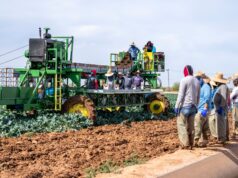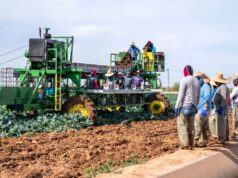

If you are looking for farm workers visa sponsorship in 2027, you are not alone. Thousands of workers from every region apply each year for agricultural roles abroad. Many of these positions come with full employer sponsorship, housing, and a clear path to permanent residency. This guide breaks down the top destination countries, their requirements, salary ranges, and how you can apply step by step.
Why Employer-Sponsored Farm Work Visas Are Growing in 2027
Aging populations and labor shortages have pushed governments in Canada, Germany, Australia, and the United Kingdom to expand their agricultural visa programs. Employers in these countries are now offering visa sponsorship jobs with full jobs with relocation package benefits, including travel costs, accommodation, and work gear.
According to the International Labour Organization, demand for seasonal and permanent farm workers is expected to grow by 12% globally through 2027, driven by climate-driven crop expansion and food security programs.
Country-by-Country Employer Sponsorship Requirements
Canada: Agricultural Stream and SAWP
Canada remains one of the strongest destinations for jobs in Canada for foreigners in agriculture. The Seasonal Agricultural Worker Program (SAWP) and the Agricultural Stream under the Temporary Foreign Worker Program both allow employer sponsored visa applications.
- Visa fee: CAD 155 (approximately USD 115) per application in 2027
- Processing time: 8 to 14 weeks after employer Labour Market Impact Assessment (LMIA) approval
- Salary range: CAD 17.50 to CAD 24.00 per hour, depending on province and crop type
- Contract length: Up to 8 months for seasonal roles, 2 years for permanent stream
- Your employer must hold a valid LMIA before you apply
- Workers on the permanent stream can qualify for permanent residency through work after 12 months
Germany: Seasonal Worker Visa and Skilled Worker Visa
Germany expanded its agricultural intake in 2026. If you want jobs in Germany with visa support, the Seasonal Worker Visa allows stays of up to 90 days, while the skilled worker visa application route allows longer contracts with full employer backing.
- Visa fee: EUR 75 (approximately USD 80) per application
- Processing time: 4 to 8 weeks at a German embassy or consulate
- Salary range: EUR 13.00 to EUR 17.00 per hour, with housing often deducted at regulated rates
- Your employer submits a work contract and proof of accommodation before your application
- German language skills at A1 level help, but are not always required for farm roles
Australia: Pacific Australia Labour Mobility Scheme
Australia’s PALM Scheme connects workers from eligible countries with farm employers across Queensland, Victoria, and Western Australia. It is one of the clearest high paying jobs abroad pathways for unskilled agricultural applicants.
- Visa fee: AUD 310 (approximately USD 200)
- Processing time: 6 to 12 weeks
- Salary range: AUD 23.23 per hour minimum, with overtime common during harvest seasons
- Eligible countries include Pacific Island nations and Timor-Leste, with expansion discussions ongoing for 2027
- Your employer handles the sponsorship directly through the Australian Government portal
How to Qualify and Apply
Most farm worker visa programs share these core requirements. Use this checklist before you apply:
- Valid passport with at least 12 months remaining
- A signed job offer or contract from a licensed employer in your target country
- Proof of relevant experience, even informal work counts in most programs
- Clean criminal record certificate from your home country
- Basic medical clearance in some programs
- Bank statements showing you can cover initial travel costs if required
When you receive a job offer, use salary negotiation tips such as researching the local minimum wage, confirming what deductions apply for housing, and asking whether overtime rates are guaranteed in writing. This protects your earnings before you travel.
If your goal is a green card sponsorship employer or long-term status in the US, note that the H-2A agricultural visa does not directly lead to permanent residency. You would need your employer to sponsor a separate immigrant petition. Consulting an immigration lawyer or immigration attorney is advisable at that stage. Some workers also explore citizenship by investment or an investor visa route after accumulating savings abroad, though these require significant capital.
You can review current approved employer lists and application portals through the Government of Canada’s Agricultural Workers page.
Can I bring my family on a farm worker visa?
It depends on the country and visa type. Canada’s Agricultural Stream allows some workers to bring dependants after meeting residency thresholds. Germany’s Seasonal Worker Visa does not include dependants, but the longer skilled worker route does. Always check the specific visa category before applying.
Do I need an immigration lawyer to apply for farm worker visa sponsorship?
You do not always need one, but it helps if your case is complex or your employer is new to sponsorship. A licensed immigration adviser or immigration attorney can review your documents and reduce the risk of a refusal. Many advisers charge between USD 300 and USD 800 for an agricultural visa consultation in 2027.
How long does it take to get permanent residency through farm work?
In Canada, some workers qualify for permanent residency after 12 months of full-time employment through programs like the Rural and Northern Immigration Pilot. In Australia, the PALM Scheme is temporary, but extended stays and employer recommendations can support future visa applications. Timelines vary by country and individual circumstances.
Visit the official government or programme website to apply, and consult a licensed immigration adviser if you need personalised help.
Disclaimer: Visa rules, fees, and scholarship deadlines change frequently. Always verify current requirements on official government or institution websites before applying.