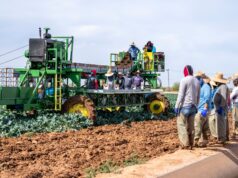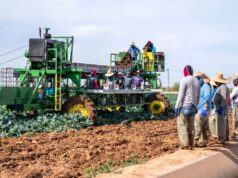

If you are looking for a farm work visa Australia in 2027, you have real options. Australia continues to rely on international workers to fill agricultural labour gaps across the country. Whether you want to pick fruit in Queensland, work on a vineyard in South Australia, or help with livestock in Western Australia, this guide covers what you need to know before you apply.
Which Visa Types Cover Farm Work in Australia?
Australia offers several visa pathways that allow you to do farm and agricultural work legally. Here are the main options available in 2027.
Working Holiday Visa (Subclass 417 and 462)
These are the most common visas for farm work. You can work in regional Australia and extend your stay by completing a set number of days in specified rural industries. In 2027, the visa fee is AUD 650 (approximately USD 430). You must be between 18 and 35 years old, and your country must have a bilateral agreement with Australia. Over 40 countries are eligible, including the United Kingdom, Canada, Germany, Japan, and South Korea.
If you complete 88 days of specified regional work during your first year, you qualify for a second-year visa. A third-year extension is available after completing 179 days of regional work in a second year.
Temporary Work (Skilled) Visa (Subclass 482)
This is an employer sponsored visa that covers skilled agricultural roles. If a farm or agribusiness offers you a visa sponsorship job, they can sponsor you under this stream. Processing times typically range from 4 to 8 months. This visa can be a stepping stone toward a permanent residency application if you meet the requirements over time.
Regional Sponsored Migration Scheme (Subclass 187)
This scheme is relevant if you find jobs with relocation packages from regional Australian employers. It provides a direct pathway to permanent residency. You need employer sponsorship and skills that match a relevant occupation on the skilled occupation list.
What Can You Earn Doing Farm Work in Australia?
Farm workers in Australia must be paid at least the national minimum wage. In 2027, the minimum wage is AUD 24.10 per hour (approximately USD 15.90). Many farm employers pay piece rates for tasks like picking and pruning. Your weekly earnings can range from AUD 700 to AUD 1,500 depending on the crop, the season, and your speed.
Skilled agricultural roles such as farm supervisors or machinery operators can earn AUD 60,000 to AUD 85,000 per year on a full-time contract. Strong salary negotiation tips to remember: research the award rate for your industry before you accept any offer, and ask about accommodation costs upfront since many farm employers deduct these from your pay.
Step-by-Step Application Process
- Step 1: Confirm your eligibility based on your age, nationality, and the visa type you want.
- Step 2: Create an ImmiAccount on the Australian Department of Home Affairs website.
- Step 3: Complete your online application and upload required documents, including your passport, proof of funds, and health insurance.
- Step 4: Pay the visa fee. For the Working Holiday Visa, this is AUD 650 in 2027.
- Step 5: Undergo a health examination if required. Processing takes 1 to 3 weeks for Working Holiday Visas and up to 8 months for skilled or sponsored visas.
- Step 6: Once approved, book travel and arrange accommodation in your target region before you arrive.
If your situation involves employer sponsorship or a work permit application under a skilled stream, the process is more complex. Consulting a licensed immigration lawyer or immigration attorney can help you avoid costly mistakes, especially if you are comparing this pathway to alternatives like express entry Canada, a provincial nominee program, or a skilled worker visa in another country.
Readers exploring investment-based pathways should note that Australia also has an investor visa program and citizenship by investment options, though these are separate from agricultural work visas and carry much higher financial requirements.
According to the Australian Department of Agriculture, Fisheries and Forestry, the agricultural sector employs over 300,000 workers and consistently experiences labour shortages in regional areas, making visa approvals in this category relatively strong.
Can I apply for a farm work visa in Australia without a job offer?
Yes. The Working Holiday Visa (Subclass 417 or 462) does not require a job offer before you apply. You find farm work after you arrive in Australia. However, the Subclass 482 and Subclass 187 visas do require employer sponsorship before you submit your application.
How long can I stay in Australia on a Working Holiday Visa?
You can stay up to 12 months on each Working Holiday Visa grant. By completing regional farm work, you can extend your stay with a second-year visa and then a third-year visa, giving you up to 36 months in total.
What documents do I need to apply for a farm work visa in Australia?
You typically need a valid passport, proof of sufficient funds (usually AUD 5,000), health insurance, and a clean criminal record. Employer-sponsored visas also require a formal job offer, skills assessment, and evidence of relevant work experience.
Visit the official government or programme website to apply, and consult a licensed immigration adviser if you need personalised help.
Disclaimer: Visa rules, fees, and scholarship deadlines change frequently. Always verify current requirements on official government or institution websites before applying.