
Birth Tourism and Citizenship in 2026: What You Need to Know
In 2026, thousands of families are planning international births to secure citizenship rights for their children. Canada remains the most popular destination for this purpose, thanks to its birthright citizenship policy, legally known as jus soli. Any child born on Canadian soil automatically becomes a Canadian citizen, regardless of the parents’ nationality or immigration status.
This guide covers the visa requirements, real costs, citizenship rights, and practical steps you need to plan an international birth in Canada.
How Birthright Citizenship Works in Canada
Canada grants automatic citizenship to every child born on its territory. This right is protected under the Citizenship Act of Canada. The only exception applies to children born to foreign diplomats who hold immunity from Canadian law.
Once your child is born in Canada, they qualify for a Canadian passport and access to all rights that Canadian citizens hold. These include:
- Free public education from kindergarten through secondary school
- Coverage under provincial healthcare plans
- The right to live and work in Canada as an adult
- The ability to sponsor eligible family members for permanent residency once they turn 18
“A child born in Canada is a Canadian citizen at birth, with full rights, regardless of the parents’ immigration status.” — Immigration, Refugees and Citizenship Canada (IRCC), 2026
What Visa Do You Need to Give Birth in Canada?
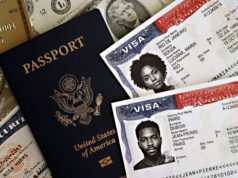
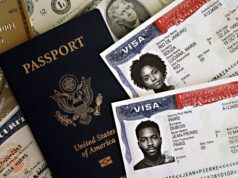
You do not need a special visa. You apply for a standard Temporary Resident Visa (TRV), also called a Visitor Visa. Canadian immigration law does not permit officers to deny your application solely because you plan to give birth in Canada.
Key Facts About the Visitor Visa in 2026
- The TRV is typically valid for up to six months.
- The application fee is CAD 100 (approximately USD 74) as of 2026.
- Online processing times average 14 to 28 days, depending on your country of residence.
- You apply through the IRCC official website.
- The visa does not give you the right to work in Canada.
- You must show proof that you can support yourself financially during your stay.
Documents You Will Likely Need
- A valid passport with at least six months of remaining validity
- Proof of financial support, such as bank statements showing sufficient funds
- A letter explaining your purpose of visit
- Medical records confirming your pregnancy and expected due date
- Proof of ties to your home country, such as employment or property documents
Real Costs to Expect in 2026
Giving birth in Canada as a non-resident means you pay full out-of-pocket costs. Hospital fees are not covered by provincial health insurance for visitors.
- Vaginal delivery: CAD 5,000 to CAD 10,000 (approximately USD 3,700 to USD 7,400)
- Caesarean section: CAD 10,000 to CAD 20,000 (approximately USD 7,400 to USD 14,800)
- Prenatal visits and checkups: CAD 150 to CAD 300 per visit
- Travel insurance with maternity coverage: CAD 500 to CAD 2,000 depending on your policy and gestational age at travel
- Accommodation for 2 to 3 months: CAD 2,000 to CAD 5,000 per month depending on the city
You should budget a minimum of CAD 20,000 to CAD 40,000 for the full trip, including medical care, accommodation, and living expenses. Consulting an immigration lawyer or immigration attorney before you travel can help you avoid costly mistakes with your visa application.
After the Birth: Registering Your Child’s Citizenship
Once your child is born in Canada, you can register their citizenship and apply for a Canadian passport. You can visit the IRCC passport services page for full details on the application process.
Key steps after the birth include:
- Obtain a provincial birth certificate from the hospital or vital statistics office where the birth occurred.
- Apply for a Canadian passport using the birth certificate as proof of citizenship.
- Register the birth at your home country’s embassy or consulate if dual citizenship is permitted in your country.
- Return home before your TRV expires to avoid overstaying your visa.
Q: Can a Canadian immigration officer deny my visa because I plan to give birth in Canada?
A: No. Canadian law does not allow officers to refuse a Visitor Visa application based solely on a plan to give birth in Canada. However, officers can refuse your application if they believe you will not leave Canada before your visa expires or that you cannot support yourself financially during your stay.
Q: Does my child’s Canadian citizenship give me the right to stay in Canada permanently?
A: No. Your child’s citizenship does not give you an automatic right to remain in Canada. You must still leave before your visa expires. Your child can sponsor you for permanent residency once they reach the age of 18 and meet the sponsorship income requirements under the permanent residency application rules at that time.
Q: Can I apply for a work permit or use the Express Entry Canada programme while in Canada for the birth?
A: A Visitor Visa does not permit you to work in Canada. If you want to pursue a work permit application or enter the Express Entry Canada system, you must apply for those separately and meet the eligibility requirements for each programme.
Visit the official government or programme website to apply, and consult a licensed immigration adviser if you need personalised help.
Disclaimer: Visa rules, fees, and scholarship deadlines change frequently. Always verify current requirements on official government or institution websites before applying.