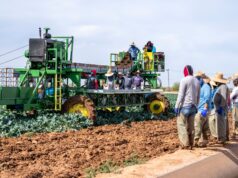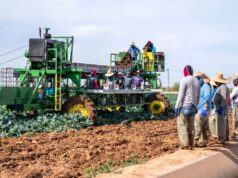

If you are searching for a farm workers visa 2027, you are looking at one of the most accessible immigration pathways available today. Agricultural labour shortages in multiple countries have pushed governments to expand rural work visa programmes, raise wages, and offer structured paths to permanent residency. This guide breaks down the top destinations, what you earn, what you pay in fees, and exactly how to apply.
Why Farm Worker Visas Are Expanding in 2027
Ageing rural populations and urbanisation have left many countries short of agricultural labour. Governments responded by creating dedicated visa streams with faster processing and employer sponsorship models. For you as an applicant, this means more openings, clearer rules, and in some cases, a route toward a permanent residency application after a qualifying period of work.
Top Paying Countries for Foreign Farm Workers in 2027
Canada
Canada remains one of the highest-paying destinations. Through the Seasonal Agricultural Worker Program (SAWP) and the Temporary Foreign Worker Program (TFWP), farm workers earn between CAD 17.50 and CAD 22.00 per hour in 2027. Your employer handles the work permit application and provides a job offer, which functions as an employer sponsored visa. Processing time runs 4 to 8 weeks. The visa fee is CAD 155 for an open work permit. Workers from countries that qualify can also explore the express entry Canada system or the provincial nominee program after building Canadian work experience. You can find official programme details on the Government of Canada agricultural workers page.
Australia
Australia’s Pacific Australia Labour Mobility (PALM) scheme and the Working Holiday Visa (subclass 417 and 462) both cover farm work. Wages sit between AUD 24.10 and AUD 28.50 per hour under the 2027 National Minimum Wage and award rates. Your visa fee for the Working Holiday Visa is AUD 650. Processing time is typically 2 to 4 weeks online. If your employer is an approved PALM sponsor, you can access jobs with relocation package benefits, including subsidised housing and flights.
Germany
Germany’s Seasonal Work Permit allows non-EU nationals to work on farms for up to 8 months per year. Average agricultural wages in 2027 reach EUR 13.00 to EUR 16.00 per hour, depending on the federal state and crop type. The visa fee is EUR 75. Processing takes 3 to 6 weeks through your local German embassy. Germany also offers a skilled worker visa route for those who gain qualifications while working, opening a door to longer-term residence.
New Zealand
New Zealand’s Recognised Seasonal Employer (RSE) scheme recruits workers from Pacific nations and beyond. You earn NZD 23.15 per hour as a base rate in 2027. Visa fees are NZD 400 for the RSE work visa. Employers provide accommodation support, and many roles qualify as visa sponsorship jobs with flights covered on arrival.
How to Apply: Step-by-Step
- Search for approved employers in your target country using the official government employer database.
- Secure a written job offer from a licensed or approved employer before submitting your visa application.
- Gather documents: passport valid for at least 12 months, medical certificate, police clearance, and proof of employment.
- Submit your work permit application through the official government immigration portal or your nearest embassy.
- Pay the visa fee and attend a biometrics appointment if required.
- Wait for your approval letter, then arrange travel with your employer if relocation support is included.
Use salary negotiation tips when speaking with your employer: ask specifically about overtime rates, housing allowances, and transport reimbursement. These additions can raise your effective income by 15 to 25 percent above the base wage.
Long-Term Options After Your Farm Work Visa
Several countries count agricultural work experience toward skilled migration points. In Canada, farm work can contribute to your express entry Canada profile or a provincial nominee program application. In Australia, completing 88 days of regional farm work unlocks a second or third Working Holiday Visa year. Some applicants eventually pursue a green card application in the United States through the H-2A agricultural visa route, which can lead to employer-sponsored permanent status. If you are considering longer-term investment options, programmes like citizenship by investment or an investor visa exist in separate streams but are unrelated to agricultural work pathways. Speak with a licensed immigration lawyer or immigration attorney to understand which route fits your background. You can verify current country requirements through the International Organization for Migration labour migration resource.
Frequently Asked Questions
Can I bring my family on a farm worker visa in 2027?
Most seasonal farm worker visas do not allow dependants to accompany you. Canada’s TFWP and some German seasonal permits restrict family accompaniment. You should confirm with your employer and the relevant immigration authority before you apply.
Do I need a job offer before I apply for a farm worker visa?
In most cases, yes. Countries like Canada, Australia under the PALM scheme, and New Zealand under the RSE programme require a confirmed job offer from an approved employer before they process your visa. This is what makes these pathways count as employer sponsored visa routes.
How long does it take to get a farm worker visa approved?
Processing times vary. Canada takes 4 to 8 weeks. Australia processes Working Holiday Visas in 2 to 4 weeks online. Germany takes 3 to 6 weeks through an embassy appointment. Apply as early as possible before your intended start date.
Visit the official government or programme website to apply, and consult a licensed immigration adviser if you need personalised help.
Disclaimer: Visa rules, fees, and scholarship deadlines change frequently. Always verify current requirements on official government or institution websites before applying.