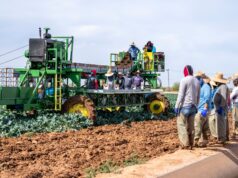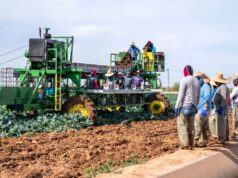

The farm work visa America program remains one of the most accessible pathways into the U.S. labor market in 2027. Whether you are looking for visa sponsorship jobs in agriculture or exploring employer sponsored visa options, understanding how the system works by state can save you time and help you target the right employers. This guide breaks down employer requirements, regional pay differences, and how to apply step by step.
How the H-2A Agricultural Visa Works in 2027
The H-2A visa allows U.S. employers to hire foreign workers for temporary or seasonal agricultural jobs. You can apply for this visa only after a qualifying employer petitions on your behalf. The employer pays the visa fees and, in most cases, provides housing and transport.
In 2027, the U.S. Department of Labor sets the Adverse Effect Wage Rate (AEWR) by state. This rate is the minimum hourly wage your employer must pay you. It protects both foreign and domestic workers from wage suppression.
Key facts for 2027:
- Visa application fee: $190 per person (paid by employer in most states)
- Processing time: 30 to 75 days depending on the petition load
- Maximum stay per contract: up to 10 months, renewable
- Housing: employer-provided at no cost to the worker
You can review the official program rules on the U.S. Department of Labor H-2A page.
State-by-State Employer Requirements and Salary Differences
Employer requirements and wage rates vary by region. Targeting the right state improves both your earnings and your chances of finding jobs with relocation package included.
California
California has the highest AEWR in 2027, set at $19.75 per hour. Employers here must provide workers’ compensation insurance and written contracts in the worker’s native language. Most jobs involve fruit picking, vineyard work, and vegetable harvesting. Some large agribusiness employers also offer green card sponsorship employer pathways after multiple seasons of work.
Florida
Florida’s AEWR sits at $14.90 per hour in 2027. Employers primarily hire for citrus, tomato, and sugarcane harvests. Florida employers must post a job order with the State Workforce Agency for at least 60 days before hiring foreign workers. Relocation from your home country is covered by the employer.
Washington State
Washington pays $18.20 per hour for apple, cherry, and hop farm work. Employers here often partner with recruiting agencies. This is one of the better regions if you want high paying jobs abroad with a structured contract. Some employers also offer end-of-season bonuses averaging $500 to $800.
Texas and the Southeast
Wages in Texas and neighboring states range from $13.50 to $15.40 per hour. Jobs involve cotton, sorghum, and vegetable farming. While wages are lower, living costs are also lower, and some employers provide meal plans in addition to housing.
Salary Negotiation Tips for Farm Workers
You have more room to negotiate than most people assume. Use these salary negotiation tips before you sign your contract:
- Ask specifically whether the employer offers piece-rate pay in addition to the hourly AEWR. Some harvesters earn 20 to 35 percent more through piece-rate bonuses.
- Confirm whether overtime applies. In California, farm workers earn 1.5 times their rate after 8 hours per day.
- Request a written list of any deductions before you agree. Deductions for food or transport are only legal under certain conditions.
- Compare at least three employer offers before committing, especially if you are applying through a skilled worker visa application agency.
Can Farm Work Lead to Permanent Residency?
Yes, in some cases. Permanent residency through work is possible if your employer is willing to sponsor you for an EB-3 green card after you have worked several seasons. This process is separate from the H-2A visa and requires the employer to file a PERM labor certification. An immigration lawyer or immigration attorney can assess your eligibility. If you are also exploring options like jobs in Canada for foreigners or jobs in Germany with visa, the H-2A experience in the U.S. strengthens your profile significantly for other immigration applications.
You can find licensed advisers through the American Immigration Lawyers Association directory.
Can I switch employers on an H-2A visa in 2027?
No, you cannot switch employers freely. Your visa is tied to the specific employer named in your petition. If you want to work for a different employer, that new employer must file a separate H-2A petition on your behalf before you start working for them.
Does my employer pay the visa fees, or do I?
Under U.S. law, H-2A employers must pay the visa application fee, border crossing fee, and reasonable travel costs. If any recruiter asks you to pay these costs upfront, that is a violation of program rules and you should report it to the U.S. Department of Labor.
Is H-2A farm work a path to a green card or citizenship by investment?
The H-2A visa itself is not a direct path to a green card. However, a willing employer can sponsor you for an EB-3 visa after you build a work history with them. Citizenship by investment is a completely separate program and is unrelated to agricultural work visas.
The farm work visa America route in 2027 is practical and well-structured for workers who research it properly. Choose your state based on wage rates, match your skills to the crop type, and confirm every benefit in writing before you travel. Visit the official government or programme website to apply, and consult a licensed immigration adviser if you need personalised help.
Disclaimer: Visa rules, fees, and scholarship deadlines change frequently. Always verify current requirements on official government or institution websites before applying.