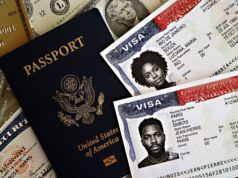

High-Paying Jobs Without a Degree in 2026: Global Visa Sponsorship Guide
Why Degree-Free Careers Are Growing in 2026
In 2026, employers in healthcare, technology, skilled trades, and business administration are hiring based on skills and certifications rather than four-year degrees. Demand for degree-free skilled roles has grown 34% since 2024, according to global labour market tracking data. Many of these roles come with visa sponsorship, relocation packages, and salaries above USD 75,000 per year.
If you want to work abroad, build a path to permanent residency, or secure an employer sponsored visa, this guide covers the roles that make it possible. Each section includes salary ranges, visa options, fees, and processing times so you can take action today.
“Global demand for certified, non-degree workers in healthcare and technology is projected to exceed 85 million unfilled positions by 2027.” — World Economic Forum, Future of Jobs Report 2025
Top High-Paying Jobs Without a Degree in 2026
1. Licensed Practical Nurse (LPN) – USD 68,500 to USD 84,000 per year
You need a practical nursing certificate or diploma, which typically takes 12 to 18 months to complete. LPNs manage patient care, administer medications, monitor vital signs, and maintain medical records. Healthcare worker shortages make this one of the strongest fields for jobs with relocation packages and visa sponsorship jobs.
- Canada: Express Entry or Provincial Nominee Program. Employer sponsorship available. Processing time approximately 6 months. Government fees start at CAD 1,365.
- Germany: EU Blue Card eligible. B2 German language level required. Visa application fee approximately EUR 75. Processing time 8 to 12 weeks.
- United Kingdom: Skilled Worker Visa. Application fee £827 for roles outside shortage occupations. Healthcare roles on the shortage occupation list may qualify for reduced rates. Processing time 3 to 8 weeks.
- Australia: Skilled Independent Visa (subclass 189) or Employer Nomination Scheme (subclass 186). Visa fee from AUD 4,640. Points-based assessment required.
You can review Australia’s current skilled occupation lists on the Australian Department of Home Affairs website.
2. Executive Assistant – USD 72,000 to USD 91,000 per year
You need a high school diploma. A professional administration certification from bodies like the International Association of Administrative Professionals strengthens your application. Executive assistants manage schedules, coordinate travel, prepare reports, and support senior leadership. This role is increasingly available as a remote work opportunity, making it accessible across borders.
- United States: H-1B visa sponsorship is possible but competitive. An O-1 visa may apply for candidates with specialised expertise.
- Canada: Intra-company transfer or employer-specific work permits available. Processing time 2 to 4 months.
- UAE: Employment visa sponsored by employer. Processing time 2 to 3 weeks. No personal visa fee for most roles.
- Singapore: Employment Pass requires a salary above SGD 5,000 per month. Application fee SGD 105.
3. Commercial Truck Driver – USD 65,000 to USD 95,000 per year
You need a commercial driver’s licence (CDL), which takes 3 to 7 weeks to obtain in most countries. Truck drivers are in shortage across North America, Europe, and Australia. Many employers offer signing bonuses of USD 5,000 to USD 15,000 and full relocation support.
- Canada: Transport truck drivers appear on the Federal Skilled Trades Program list. Green card sponsorship equivalent through permanent residency pathways is available.
- Germany: Skilled worker visa for trades applies. Language support is sometimes provided by employers.
- Australia: Heavy vehicle drivers qualify under multiple skilled visa streams. Visa fees start at AUD 3,115 for temporary skilled visas.
How to Find Visa-Sponsored Jobs Without a Degree
You do not need to work with a recruiter to find these roles. Follow these steps to start your search:
- Identify roles that match your current skills or a certification you can complete within 12 months.
- Search job boards that filter by visa sponsorship. SEEK, Indeed, and LinkedIn all allow you to filter for sponsored roles by country.
- Check official government immigration portals for the country you are targeting. Canada, Australia, Germany, and the UK all publish lists of roles in shortage.
- Apply directly to employers who advertise relocation support. Mention your visa needs early in the process.
- If your application reaches the offer stage, consult a licensed immigration adviser or immigration attorney to review your work permit or skilled worker visa application before signing.
For Canada’s current immigration pathways, visit the Immigration, Refugees and Citizenship Canada website.
Salary Negotiation Tips for International Candidates
When you receive a job offer that includes visa sponsorship, use these salary negotiation tips to protect your income:
- Research the local market rate for your role using tools like Glassdoor or Numbeo before your interview.
- Ask the employer to confirm whether the salary covers your visa application fees or whether you pay those separately.
- Request a relocation allowance in writing before you sign the contract.
- Check whether the employer’s legal team or an external immigration lawyer will manage your visa application. This affects your timeline and costs.
Q: Can I get visa sponsorship without work experience in the field?
A: It depends on the country and the role. For healthcare and trades roles, most employers require at least one year of documented experience or a completed certification. Entry-level administrative roles may accept candidates with transferable skills and no prior industry experience. Check the specific requirements listed in each job posting before applying.
Q: What is the fastest country to get a work visa in 2026?
A: The UAE and Singapore typically process employment visas within 2 to 4 weeks once you have a signed job offer. Canada and Australia take longer, averaging 3 to 8 months depending on the visa stream. Germany’s skilled worker visa currently processes in 8 to 12 weeks for candidates with complete documentation.
Q: Does working abroad on a sponsored visa lead to permanent residency?
A: Yes, in many countries. Canada, Australia, Germany, and the UK all offer permanent residency through work after a qualifying period, typically 2 to 5 years of continuous employment. Your employer may need to support your permanent residency application, so confirm this before you accept a role.
Visit the official government or programme website to apply, and consult a licensed immigration adviser if you need personalised help.
Disclaimer: Visa rules, fees, and scholarship deadlines change frequently. Always verify current requirements on official government or institution websites before applying.