
Bring Your Family to Canada on a Work Permit in 2026
Canada’s family reunification program continues to grow in 2026. If you hold a valid Canadian work permit, your spouse, common-law partner, and dependent children can apply to join you, but each person must submit their own application. Your work permit does not automatically cover your family members. This guide explains exactly how work permit sponsorship family applications work, what fees to expect, and the steps you need to follow.
Who Can Join You and Under What Conditions
Your family members are eligible to apply for Canadian authorization if you hold a valid work permit issued under an approved employer or through an open work permit stream. In 2026, Immigration, Refugees and Citizenship Canada (IRCC) requires you to demonstrate financial capacity to support dependents. Proof of income typically ranges from CAD $48,000 to $68,000 annually, depending on family size and province of residence.
The following family members can apply to accompany or join you in Canada:
- Your spouse or legally recognized partner
- Your common-law partner (with 12 months of cohabitation evidence)
- Dependent children under 22 years of age who are not married or in a common-law relationship
- Children 22 or older who depend on a parent due to a physical or mental condition
Open Work Permit for Your Spouse or Partner
How the Open Work Permit Works
If your employer-specific work permit was issued under a high-skilled occupation category, your spouse or common-law partner qualifies for an open work permit. This permit is not tied to a single employer. Your partner can work for any Canadian employer in any sector.
In 2026, IRCC reports that spousal open work permit applications from skilled worker dependants process in an average of 14 to 20 weeks, depending on the applicant’s country of citizenship and completeness of documentation.
The application fee for a spousal open work permit is CAD $255, plus an open work permit holder fee of CAD $100. You submit the application online through the IRCC official work permit portal.
Documents Your Partner Needs
- A copy of your valid work permit
- Proof of your relationship, such as a marriage certificate or joint tenancy agreement
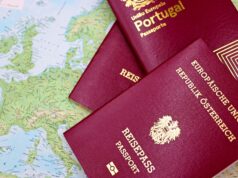
- Valid passport with at least six months of remaining validity
- Police clearance certificates from each country where your partner lived for more than six months
- Proof of your current employment and income in Canada
Visitor Visa or Study Permit for Dependent Children
Children Joining You in Canada
Dependent children do not automatically receive a work permit. Children who plan to study in Canada require a study permit if enrolled in a program longer than six months. Children visiting without studying may enter on a visitor visa or electronic Travel Authorization (eTA), depending on their passport country.
Study permit fees are CAD $150 per child. Visitor visas cost CAD $100 per person. Processing for both typically takes 8 to 14 weeks in 2026. You can review current fee schedules and eligibility criteria on the IRCC visitor and study visa page.
Step-by-Step Process for Bringing Children
- Confirm your own work permit is valid for at least 12 months from the date you plan to bring your children.
- Gather each child’s birth certificate, passport, and school enrollment letters if applicable.
- Decide whether your child needs a visitor visa, eTA, or study permit based on their plans.
- Create or log in to an IRCC online account and submit each child’s application separately.
- Pay the applicable fee and upload all required documents digitally.
- Track the application status through your IRCC account and respond promptly to any requests for additional information.
Q: Can my spouse work anywhere in Canada on a spousal open work permit?
A: Yes. A spousal open work permit allows your partner to work for any employer in Canada across any province and any industry. They do not need a job offer before applying.
Q: How long does the family sponsorship process take in 2026?
A: Processing times vary by application type. Spousal open work permits average 14 to 20 weeks. Study permits for children average 8 to 14 weeks. Visitor visas average 4 to 10 weeks. Submitting a complete application with all documents reduces delays.
Q: Do I need an immigration lawyer to apply for work permit sponsorship family applications?
A: You can apply without a lawyer, but a licensed immigration attorney or regulated Canadian immigration consultant can reduce errors and speed up your application, especially if your situation involves complex documentation or previous visa refusals.
Visit the official government or programme website to apply, and consult a licensed immigration adviser if you need personalised help.
Disclaimer: Visa rules, fees, and scholarship deadlines change frequently. Always verify current requirements on official government or institution websites before applying.